
Rose Society of South Australia
To encourage, improve, foster and extend the cultivation
and appreciation of the Rose
and appreciation of the Rose
Rose Society of South Australia member, Ken Moxham, shares an article he developed, with a little assistance from AI, about his interest in the development of modern yellow roses.
My obsession with yellow, my deep chromatophilia, stems from a childhood trauma. When I was seven, I fell into a fire. To mitigate the agonising pain of the burns, a thick, yellow ointment was applied to my skin. The adults gently told me this special salve had been chosen just to match my favourite colour. Before that scarring moment, I had no interest in the hue, yet that comforting deception forever bound the colour yellow to healing and survival in my mind. It is this profound, lifelong fixation that ultimately drew me to uncover the rich, complex history of the yellow rose.
Introduction: The genetic blind spot of the West
To look upon a modern yellow rose blooming in a Ken Moxham temperate European garden is to witness a spectacular horticultural anomaly. For the vast majority of documented botanical history, the Western world’s relationship with the genus Rosa was confined to a restricted palette of pink, white, and deep crimson. This was an unyielding genetic boundary: the native European wild rose stock lacked the fundamental enzymatic machinery to synthesise and accumulate stable carotenoid pigments within its floral tissues (Schulz et al., 2016). This biological absence deeply influenced classical Western literature and medicine, where the rose was longassociated with the blood of Adonis or the white of virginity.
In the contemporary era, this narrative has shifted from observational field botany to structural molecular genomics. Where 19th century hybridisers observed only unpredictable variations in colour stability and winter hardiness 21st century genomic sequencing has unveiled the precise macromolecular mechanisms driving these adaptations (Raymond et al., 2018). This transition from experiential selection to structural genetic clarity mirrors the broader mid-20th century revolution in macromolecular physics that redefined the life sciences. By evaluating the history of the yellow rose through both an archival and an empirical lens, we observe how the human passion for aesthetic novelty has permanently remodelled the genetic architecture of one of the world’s most economically vital ornamental genera (Bendahmane et al., 2013).
Wild foundations and Eastern cultivation
The architectural framework of the modern yellow rose is anchored to a select group of wild species that evolved in geographic isolation across Central and Eastern Asia. While Europe was populated by species like Rosa gallica and Rosa canina, completely distinct evolutionary selection pressures were shaping wild populations in the arid, high-altitude terrains of the Persian plateau and the subtropical river valleys of Western China (Gault & Synge, 1971).
Classical observations and regional absences
The foundational naturalists of Western antiquity were highly aware of the botanical limitations of the Mediterranean landscape. Pliny the Elder, in his encyclopaedic Naturalis Historia (c. 77–79 CE), meticulously catalogued the flora of the early Roman Empire, recording multiple, petaled variants like the Praenestine and Campanian roses, yet every variety was strictly bound to variations of red, blush, or white (Pliny, 1945). Concurrently, the Greek physician Pedanius Dioscorides, writing in De Materia Medica, evaluated the rose primarily for its cooling, astringent pharmacological properties, focussing entirely on distillations from red and pink petals, unaware that wild roses were carpeting Asian hillsides in brilliant shades of gold (Dioscorides, 1959).
The genetic isolates of Asia
The yellow colouration of the rose genus remained locked within distinct wild populations, each adapted to harsh, specialised ecosystems:
Rosa foetida (The Austrian Briar): Indigenous to an expansive arc stretching across the Persian plateau to the foothills of the Himalayas, Rosa foetida (historically known as Rosa lutea) was the key to intense yellow pigmentation (Krussmann,1981). It evolved as a tough, frost hardy shrub capable of enduring scorching summers and freezing winters. However, the species carried a major defect: a distinctive, pungent, musklike aroma that early Western travellers likened to a chemical solvent, earning it the specific epithet foetida (foul, smelling).
Rosa hemisphaerica (The Sulphur Rose): Native to the high plateaus of Asia Minor and Persia, this species produced pale, sulphur yellow, globular flowers (Thomas, 1994). Unlike Rosa foetida , Rosa hemisphaerica naturally exhibited a tendency toward double, petalled blooms in its cultivated forms, yet it possessed a highly delicate structural anatomy; its tightly packed buds were exceptionally susceptible to “balling”—a physiological phenomenon where damp weather causes the outer petals to fuse and rot before ever opening.
Rosa banksiae lutea (The Lady Banks’ Rose): Thriving in the sheltered mountain ravines of Western and Central China, this massive, entirely thornless climbing shrub represented a completely different evolutionary strategy, producing cascading clusters of small, pale, yellow, violet-scented blossoms during early spring (Quest, Ritson, 2003).
Islamic agronomy and the Silk Road pipeline
Long before Western European botanists encountered these exotic species, medieval Islamic horticulturists were collecting, documenting, and actively grafting them. During the Islamic Golden Age, as agricultural science flourished from Baghdad to the Iberian Peninsula, these wild yellow species were systematically integrated into managed botanical estates.
The 12th century Andalusian agronomist Ibn al, Awwam, working in Seville, wrote the definitive agricultural treatise of the medieval era, Kitab al, Filaha (The Book of Agriculture). In its pages, he meticulously outlined sophisticated budding and grafting techniques designed to sustain yellow roses on wild white rootstocks (Ibn al, Awwam, 1864). Ibn al, Awwam drew heavily on the earlier pharmaceutical observations of the Persian polymath Ibn Sina (Avicenna), who had catalogued the medicinal distillations of the yellow briar in his Canon of Medicine (Ibn Sina, 1593).
Through the trade networks of the Silk Road, these Central Asian yellow species slowly filtered into the imperial gardens of China, where Song and Qing Dynasty horticulturists were already pioneering the selection of natural sports of Rosa chinensis, gradually laying the genetic groundwork for the multi- petalled, recurrent forms that would later transform global floriculture (Needham, 1986).
The age of the plant Hunters
By the dawn of the 19th century, global botany had been transformed into an extension of Western imperial exploration. The Royal Botanic Gardens, Kew, under the influential directorship of Sir Joseph Banks, functioned as the logistical clearinghouse for global plant extraction, driven by a commercial urgency to introduce novel floral traits, most notably true yellow colouration and continuous blooming (remontancy)—to Western markets (Desmond, 1995).
In 1807, an expedition commissioned under Banks’s patronage successfully transported the double yellow form of Rosa banksiae lutea from Canton to England. Named in honour of Banks’s wife, Lady Dorothea Banks, the rose captured the imagination of Britishsociety, yet from a breeding perspective, it presented a frustrating barrier: it was strictly a once blooming spring specimen (Quest, Ritson, 2003). The true holy grail for European rosarians was a plant that could synthesise yellow pigments while continuously producing new blooms from summer through autumn.
The first significant step toward bridging this genetic divide was achieved by John Damper Parks, an intrepid plant collector dispatched to China by the Royal Horticultural Society (RHS) aboard the East Indiaman Lowther Castle. In 1824, Parks successfully brought back the Parks’ Yellow Tea, Scented China (Rosa x odorata ochroleuca), a fragile, pale, primrose yellow cultivar that possessed a distinctively clean fragrance and carried the vital East Asian genes responsible for continuous blooming (Musgrave & Gardner, 2000).
Botanical espionage: Robert Fortune
The climax of this era of competitive botanical collection arrived in the person of Robert Fortune, a brilliant and ruthlessly determined Scottish botanist whose activities in Qing Dynasty China bordered on high-stakes corporate espionage. Following the signing of the Treaty of Nanking in 1842, access to the Chinese interior remained heavily restricted and highly perilous for Westerners. Undeterred, Fortune disguised himself in native Chinese attire, shaved his head except for a braided silk queue, and travelled under an alias to infiltrate closed nurseries and private mandarin gardens (Fortune, 1847).
In 1845, while exploring a private garden in the mandarin stronghold of Ningpo, Fortune encountered a highly unusual, vigorous, semi climbing rose bearing exceptionally large, ruffled double blossoms of an entirely novel shade—a rich blend of buff, yellow, salmon, and bronze. Introduced to the West as Fortune’s Double Yellow (often classified as a hybrid of Rosa chinensis and Rosa pseudoindica), this plant electrified European horticulture, proving that the deep gold of the East could be successfully incorporated into multi-petalled garden forms (Fortune, 1847). It established a vital genetic repository that set off a fierce race among European nurserymen to stabilise these exotic traits.
The European breakthrough and modern breeding
Despite the influx of exotic Asian imports, the mid to late 19th century was characterised by a period of profound frustration for European hybridisers. British nurserymen and authors of the era, such as Thomas Rivers (The Rose Amateur’s Guide) and William Paul (The Rose Garden), wrote extensive treatises detailing the immense difficulties of breeding yellow seedlings (Paul, 1848; Rivers, 1840). Crosses between wild yellow species like Rosa foetida and refined garden roses almost invariably resulted in complete sterility, or produced weak, single petalled offspring that completely shed their repeat blooming capabilities, while showing an extreme susceptibility to black spot disease (Diplocarpon rosae).
Joseph Pernet-Ducher: The Wizard of Lyon
The grand breakthrough that laid the genetic foundation for every modern yellow rose in cultivation was the work of a single, relentlessly persistent French hybridiser: Joseph Pernet-Ducher. Operating his breeding fields in Vénissieux, near Lyon, Pernet-Ducher chose to defy conventional horticultural wisdom. Rather than continuing to cross the delicate, pale Tea roses, he determined to force a direct genetic marriage between the brilliant, unyielding gold of Rosa foetida ‘Persiana’ (the Persian Yellow, brought to Europe via Persia in 1837) and the robust, large-flowered Hybrid Perpetuals (Dickerson, 2001).
In 1887, Pernet-Ducher executed a series of controlled pollinations crossing the deep violet, pink Hybrid Perpetual Antoine Ducher with pollen from Rosa foetida ‘Persiana’. For several years, the resulting seedlings were entirely sterile and completely lacked any yellow colouration. Then, a moment of historic serendipity intervened. While walking through his discard plots, Pernet- Ducher noticed a single self-sown seedling growing adjacent to his original experimental crosses that exhibited highly unusual, smooth, bicoloured wood. When it finally bloomed, it revealed a flower of a shade never seen before in Western Europe: a spectacular, deep, radiant golden, orange, yellow, coupled with a distinctively recurrent blooming cycle (Dickerson, 2001).
In 1900, after years of stabilising the strain, Pernet- Ducher introduced this landmark cultivar to the public under the name Soleil d’Or (Sun of Gold), establishing an entirely new class of garden roses, initially designated by botanists as the Lyon), annotating over 36,000 protein, coding genes and providing horticulture Pernetiana roses. Pernet-Ducher achieved this international triumph against a backdrop of devastating personal tragedy, losing both of his brilliant sons, Claudius and Georges, to the battlefields of World War I. In their honour, the ageing hybridiser selected two of his finest, most stable pure yellow seedlings, naming them Souvenir de Claudius Pernet (1920) and Souvenir de Georges Pernet (1921), which became the clean genetic workhorses utilised by every major rose breeder across the globe throughout the mid 20th century (Beales, 1997).
The Global Lineage: From Germany to the United States
The genetic material unlocked in Lyon rapidly disseminated across international borders, igniting a global breeding boom. In Germany, the master hybridiser, Wilhelm Kordes, utilised these yellow lines to develop the ultra-hardy, frost resistant Kordesii hybrid class (Kru?ssmann, 1981). Simultaneously, in Spain, the avant garde breeder, Pedro Dot, pushed the colour boundaries of the Pernetiana class to their absolute limit, creating shockingly vibrant, sun, baked, multicoloured golden-scarlet hybrids like Condesa de Sastago (1932).
This international lineage reached its absolute zenith in the mid 20th century through the work of Francis Meilland in France. In 1935, Meilland executed a complex cross, involving Souvenir de Claudius Pernet, resulting in a single seedling designated as selection ‘3, 35, 40’. As Nazi forces occupied France in 1939, Meilland smuggled budwood of this promising rose out of the country via the diplomatic pouch of the American consul, just before the borders were sealed (Beales, 1997).
Propagated in the United States by the Conard Pyle Company, the rose was officially christened Peace on April 29, 1945—the historic day that Berlin fell. Featuring massive, glossy, disease resistant foliage and large, primrose yellow blossoms, subtly edged with pink, Peace became a global phenomenon, distributed to international delegates at the inaugural meeting of the United Nations in San Francisco as an enduring symbol of global harmony.
In the late 20th century, British breeder David Austin took these stabilised mid-century yellow genetics and seamlessly fused them with the multi petalled, chalice-like forms and rich fragrances of historic old garden roses, introducing Graham Thomas in 1983, a rich English Shrub Rose that achieved massive international acclaim (Austin, 2005).
The genomic revolution
For nearly two centuries, the architects of the modern yellow rose operated within a theoretical vacuum, selecting parents based purely on visible phenotypic traits and intuitive guesswork. The 21st century has fundamentally shattered this black box. The defining milestone of this new era arrived with the successful publication of the high quality, chromosome, level reference genome for the genus Rosa (specifically utilising the landmark Chinese cultivar Rosa chinensis ‘Old Blush’). This massive international structural biology initiative was spearheaded by molecular biologists Dr. Mohammed Bendahmane and Dr. Olivier Raymond at the École Normale Supérieure de Lyon (ENS with its first comprehensive macromolecular blueprint (Raymond et al., 2018).
The macromolecular basis of yellow pigmentation
To appreciate how modern structural genomics has recontextualised this entire historical journey, one can draw a conceptual line back to the historic corridors of Cambridge University. In the mid 20th century, just down the road from Clare College at the Cavendish Laboratory, the structural architecture of the double helix was unveiled, establishing that every complex physical trait is governed by the spatial arrangement of nucleic acid base pairs. Today, that exact structural inheritance allows us to decode the precise metabolic pathways of floral colouration.
Comparative transcriptomic analyses have revealed that flower colour in the genus Rosa is regulated by a strict competitive balance between two primary metabolic pipelines: the phenylpropanoid pathway (which synthesises water and soluble anthocyanin pigments responsible for reds and pinks) and the carotenoid biosynthetic pathway, which synthesises lipid and soluble isoprenoid pigments responsible for brilliant yellows and oranges (Bendahmane et al., 2013).
The pure, shocking yellow of wild species like Rosa foetida is driven by the massive accumulation of specific carotenoids, chiefly lutein, zeaxanthin, and β, carotene, inside specialised cellular structures called chromoplasts within the petal tissues (Baldermann et al., 2010). Crucially, genetic mapping has isolated the specific molecular dial controlling this accumulation: the Carotenoid Cleavage Dioxygenase 4 (CCD4) gene, located on chromosome 3 (Schulz et al., 2016). In classic European white and pink roses, the CCD4 enzyme is highly active, functioning as a molecular shredder that rapidly breaks down yellow carotenoids into small, completely colourless volatile compounds (Ahrazem et al., 2016). In deep yellow roses, structural mutations within the promoter or coding regions of the CCD4 gene, regulate or completely disable this enzyme, allowing the bright yellow carotenoids to remain entirely intact, packing the chromoplasts to capacity and expressing as a solid, vibrant gold (Baldermann et al., 2010).
The RoKSN Locus: The switch for continuous blooming
The second profound mystery solved by modern structural genomics is the exact molecular mechanism behind remontancy, or continuous summer blooming. Wild European roses are genetically programmed to be strictly once blooming (non-remontant); they require a prolonged period of winter cold (vernalisation) and produce flowers only during a brief window in late spring, spending the rest of the year in vegetative growth (Yi et al., 2021).
Structural genomic mapping has identified that the transition from a once blooming to a continuous, blooming habit is governed by a major master switch locus situated on chromosome 4 (Raymond et al., 2018). This locus contains the gene RoKSN , a functional plant homolog of the well-studied TERMINAL FLOWER 1 (TFL1) gene family. In wild, once blooming roses, the RoKSN protein acts as a powerful floral repressor. As spring turns to summer, RoKSN expression spikes within the apical meristems, which can be likened to stem cells in a human and are found in the tips of roots and shoots in plants. These effectively lock the plant’s buds into avegetative state and halt any further flower production for the year (Randoux et al., 2012).
In the continuous, blooming yellow hybrids derived from ancient Chinese lineages, a profound structural mutation occurred at this exact locus. A large mobile genetic element, specifically, a retrotransposon, belonging to the copia family, inserted itself directly into the coding sequence of the RoKSN gene (Raymond et al., 2018). This transposable insertion completely disrupts the transcription framework of the gene, rendering the floral repressor entirely non-functional. Without this molecular brake to halt flower production, the rose shoot tips continuously and rapidly transition from vegetative growth to floral differentiation all season long, producing wave after wave of summer blossoms (Randoux et al., 2012). It was this single RoKSN, copia allele, preserved across centuries by Chinese gardeners, that Western plant hunters transported to Europe and integrated into modern yellow cultivars.
The Living Continuum: Clare College and the Purkinje Border and my love of yellow
I spent my formative doctoral years walking the historic pathways of Cambridge University where I discovered that scientific discovery is never an isolated event; it is an ongoing dialogue between physical spaces, historical institutions, and the slow, elegant cycles of the natural world. Working in Cambridge just after the epochal era of Francis Crick and James Watson meant immersion in an atmosphere where the structural architecture of life felt tangibly close—where the realisation that biological form, colour, and memory are encoded within physical, spatial molecular structures was actively reshaping the global scientific landscape.
I was a doctoral student at Clare College. This profound sense of structural continuity is brought into magnificent, living focus within the walls of the Clare College Fellows’ Garden. For over three centuries, this landscape has stood as an oasis of quiet contemplation and rigorous intellectual observation (Clare College, 2020).
In 1947, just as the global scientific community was on the cusp of the molecular biology explosion, the Clare Fellows’ Garden was reimagined by the distinguished cell biologist and Clare Fellow Professor Nevill Willmer. A specialist in the physiology of colour vision and the cellular evolution of the eye, Willmer chose to transform a massive, sweeping double herbaceous border within the garden into a living, open, air laboratory focused entirely on a strict dual palette: the Yellow & Blue Border (Willmer, 1955).
Willmer designed this border to demonstrate a profound neuro, visual phenomenon known as the Purkinje shift, where in low light the eye is more sensitive to blue and green and less sensitive to red. He selected and arranged plants so that as bright afternoon daylight transitions into the soft, monochromatic wavelengths of twilight, the human eye switches its reliance from cone photoreceptors to rod photoreceptors. Walk the border as dusk falls across the Cam, and a striking visual transformation occurs: the vibrant blues (derived from Delphinium and Anchusa) appear to grow luminous and bright, while the brilliant yellows rapidly deepen, turn dark, and recede into the shadows (Willmer, 1955).
Anchoring this historic experimental yellow and blue border is a magnificent specimen of a highly bred modern yellow rose: Golden Showers. Introduced in 1956, Golden Showers is a climbing Hybrid Tea phenotype that represents the absolute encapsulation of this two-millennium journey. Within its delicate, deep yellow petals, the disabled CCD4 enzyme allows carotenoids inherited from Rosa foetida to remain completely un-degraded (Schulz et al., 2016). Meanwhile, its continuous flowering cycle—which blankets the Clare garden wall from early June through the autumn frosts—is driven entirely by the ancient East Asian RoKSN, copia retrotransposon insertion (Raymond et al., 2018). To stand in the Clare Fellows’ Garden at twilight and watch the blooms of Golden Showers slowly deepen and yield to the blue dusk is to see history come full circle, bridging the physical mapping of the macromolecular helix with the ancient, living artistry of the natural world.
Looking back, the modern genetic tapestry of the yellow rose feels deeply intertwined with my own history. My days as a doctoral student at Clare College placed me in the orbit of profound scientific discovery. It was there I knew Professor Willmer, a fellow of Clare whose pioneering work in low-light colour perception mirrors my own fascination with how we perceive floral hues. Willmer’s world connected me to the brilliant eye surgeon Mr. Watson, who performed a remarkably clever operation on Gwen’s eye, while she, in turn, taught his daughter. This profound circle of sight, education, and science beautifully bridges my personal life to the very DNA of the yellow rose.
The Adelaide connection
While modern rose breeding relies on cutting edge genetic mapping, it is profoundly linked to a chain of historic scientific partnerships. The very understanding of DNA traces back to the monumental collaboration of Francis Crick and James Watson at Cambridge, a breakthrough heavily reliant on Rosalind Franklin’s seminal Xray diffraction images. That very technique was pioneered by the father, and son duo of William Henry and William Lawrence Bragg, earning them a joint Nobel Prize. Having frequently lectured in the Bragg Lecture Theatre at the University of Adelaide, and having personally known Maureen Bragg, the wife of Lawrence Bragg’s son Stephen, this lineage feels remarkably close to home. It is a humbling reminder that when we map the DN A of a yellow rose, we are intimately connected to the very hands that unlocked the secret of life. It is a humbling reminder that every time we map the DNA of a yellow rose, we are standing on the shoulders of these interconnected giants.
© Kenneth Moxham
Ahrazem, O., Gómez, Gómez, L., Rodrigo, M., Avalos, J., & Limón, M. (2016). Carotenoid cleavage oxygenases from microbes and photosynthetic organisms: Features and functions. International Journal of Molecular Sciences, 17(11), 1781. https://doi.org/10.3390/ijms17111781 Cited by: 224
Austin, D. (2005). The English roses. Conran Octopus.
Baldermann, S., Kato, M., Kurosawa, M., Kurobayashi, Y., Fujita, A., Fleischmann, P., & Watanabe, N. (2010). Functional characterization of a carotenoid cleavage dioxygenase 1 and its relation to the carotenoid accumulation and volatile emission during the floral development of Osmanthus fragrans Lour. Journal of Experimental Botany, 61(11), 2967–2977. https://doi.org/10.1093/jxb/erq123 Cited by: 210
Beales, P. (1997). Classic roses: An illustrated encyclopaedia and grower’s manual of old roses, shrub roses and climbers. Harrap.
Bendahmane, M., Dubois, A., Raymond, O., & Bris, M. L. (2013). Genetics and genomics of flower initiation and development in roses. Journal of Experimental Botany, 64(4), 847–857. https://doi.org/10.1093/jxb/ers387 Cited by: 264
Clare College. (2020). The gardens of Clare College: A history and guide. Cambridge University Press.
Desmond, R. (1995). Kew: The history of the Royal Botanic Gardens. Harvill Press.
Dickerson, B. C. (2001). The old rose advisor (Vol. 2). Authors Choice Press.
Dioscorides, P. (1959). The Greek herbal of Dioscorides (R. T. Gunther, Ed.). Hafner Publishing.
Fortune, R. (1847). Three years’ wanderings in the northern provinces of China, including a visit to the tea, silk, and cotton countries. John Murray.
Gault, S. M., & Synge, P. M. (1971). The dictionary of roses in colour. Ebury Press.
Ibn al, Awwam, Y. (1864). Le livre de l’agriculture (Kitab al, Filaha) (J. J. Clement, Mullet, Trans.). Librairie A. Franck.
Ibn Sina (Avicenna). (1593). Kitab al, Qanun fi al, Tibb [The canon of medicine]. Typographia Medicea.
Kru?ssmann, G. (1981). The complete book of roses. Timber Press.
Musgrave, T., & Gardner, C. (2000). The plant hunters: Two hundred years of the pursuit of green treasure. Ward Lock.
Needham, J. (1986). Science and civilisation in China: Volume 6, Biology and biological technology; Part 1, Botany. Cambridge University Press.
Paul, W. (1848). The rose garden. Sherwood, Gilbert, & Piper.
Pliny the Elder. (1945). Natural history (H. Rackham, Trans.). Harvard University Press.
Quest, Ritson, C. (2003). Climbing roses of the world. Timber Press.
Randoux, M., Jeauffre, J., Thouroude, T., Vasseur, F., Hamama, L., Juchaux, M., Sakr, S., & Foucher, F. (2012). Gibberellins regulate the transcription of the continuous flowering regulator, RoKSN, a rose TFL1 homologue. Journal of Experimental Botany, 63(18), 6543–6554. https://doi.org/10.1093/jxb/ers310 Cited by: 75
Raymond, O., Gouzy, J., Just, J., Badouin, H., Verdenaud, M., Lemainque, A., Vergne, P., Moja, S., Choisne, N., Pont, C., Carrère, S., Caissard, J. C., Couloux, A., Cottret, L., Aury, J. M., Szécsi, J., Latrasse, D., Madoui, M. A., François, L., Fu, X., ... Bendahmane, M. (2018). The Rosa genome provides new insights into the domestication of modern roses. Nature Genetics, 50(6), 772–777. https://doi.org/10.1038/s41588.018.0110.3 Cited by: 545
Rivers, T. (1840). The rose amateur’s guide. Longman, Orme, Brown, Green, & Longmans.
Schulz, D. F., Schott, R T., Voorrips, R. E., Smulders, M. J. M., Linde, M., & Debener, T. (2016). Genome, wide association analysis of the anthocyanin and carotenoid contents of rose petals. Frontiers in Plant Science, 7, 1798. https://doi.org/10.3389/fpls.2016.01798 Cited by: 80
Thomas, G. S. (1994). The Graham Stuart Thomas rose book. Sagapress.
Willmer, E. N. (1955). The Purkinje shift and the structure of the retina. Nature, 175(4451), 316–318.
Yi, X., Gao, H., Yang, Y., Yang, S., Luo, L., Yu, C., Wang, J., Cheng, T., Zhang, Q., & Pan, H. (2021). Differentially expressed genes related to flowering transition between once, and continuous, flowering roses. Biomolecules, 12(1), 58. https://doi.org/10.3390/biom12010058 Cited by: 19
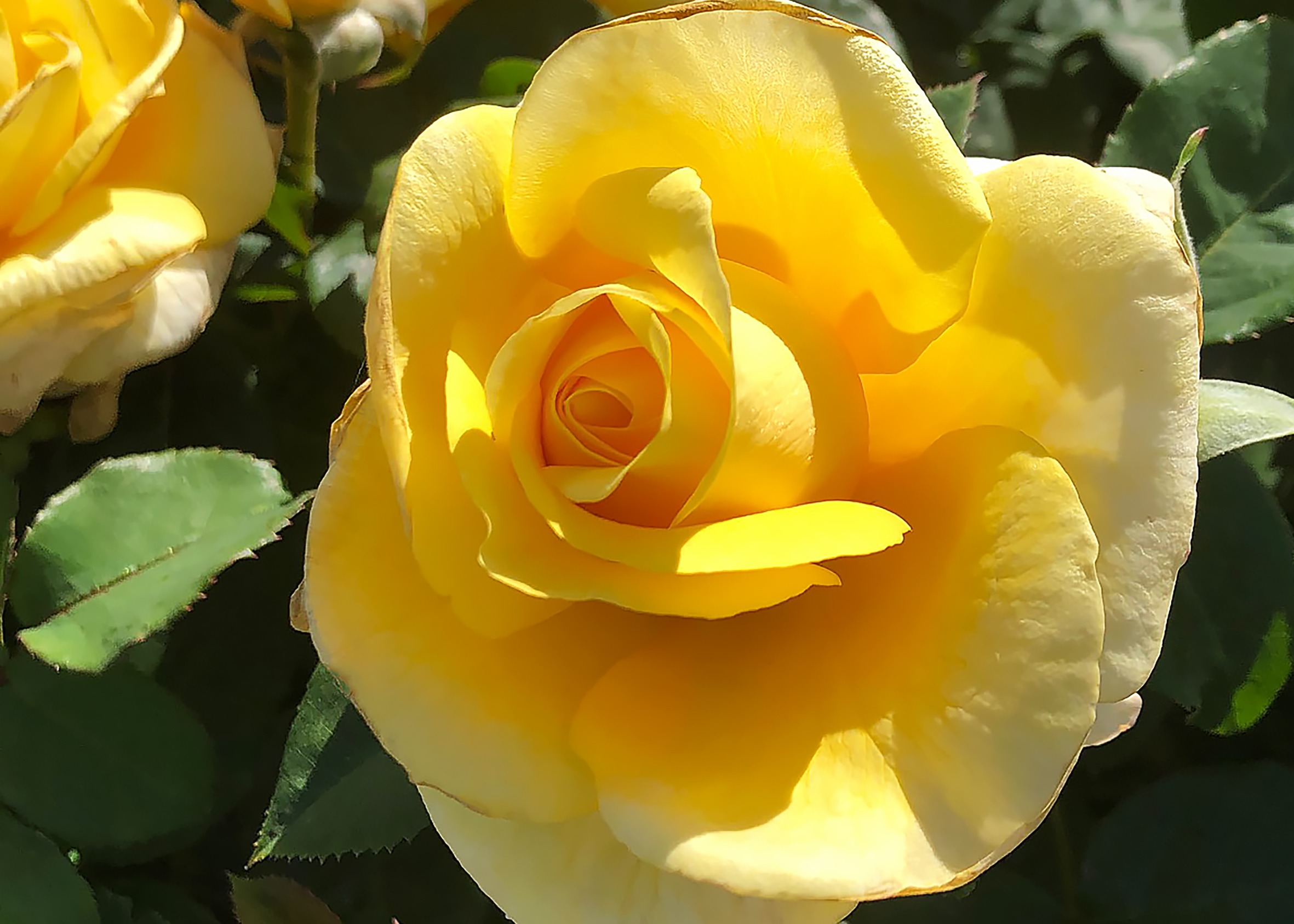
Lady of Australia